Introduction to the AI Art Project by AI Disc Jockey


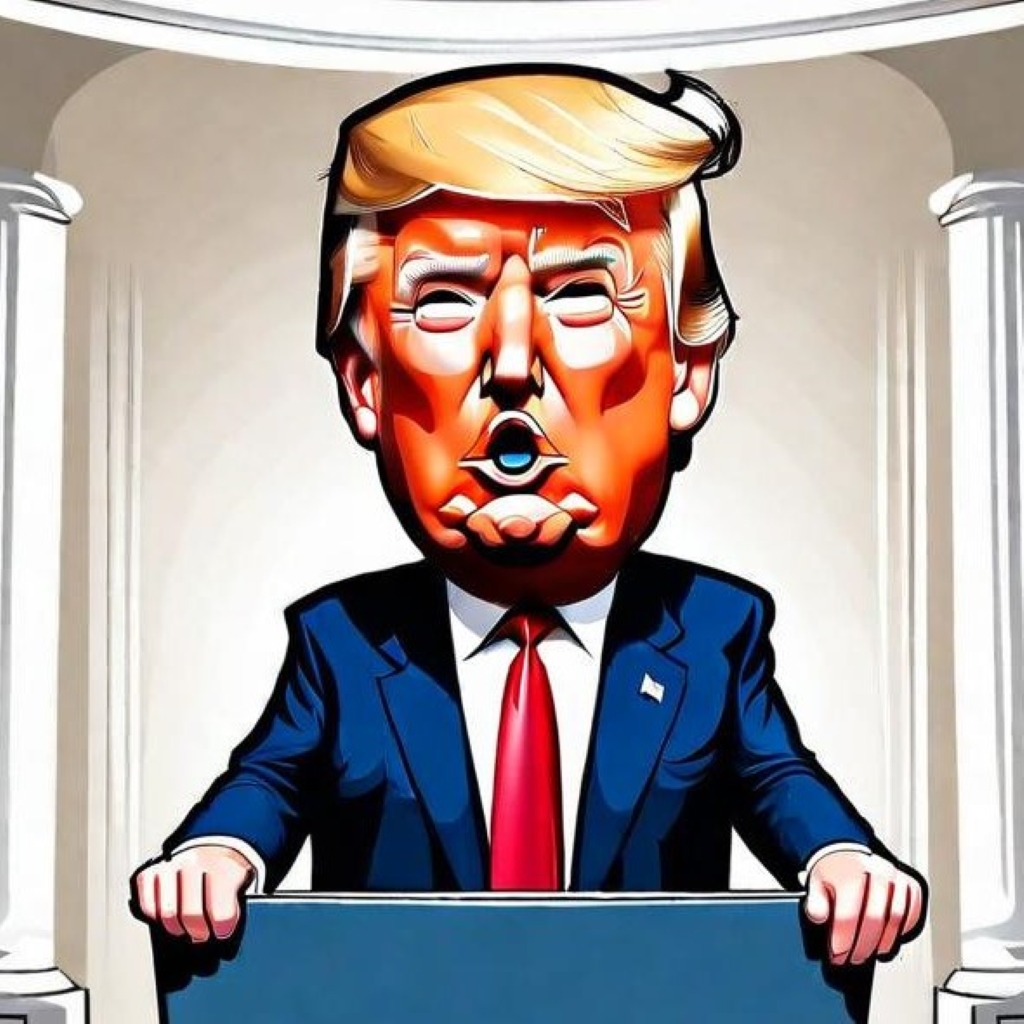
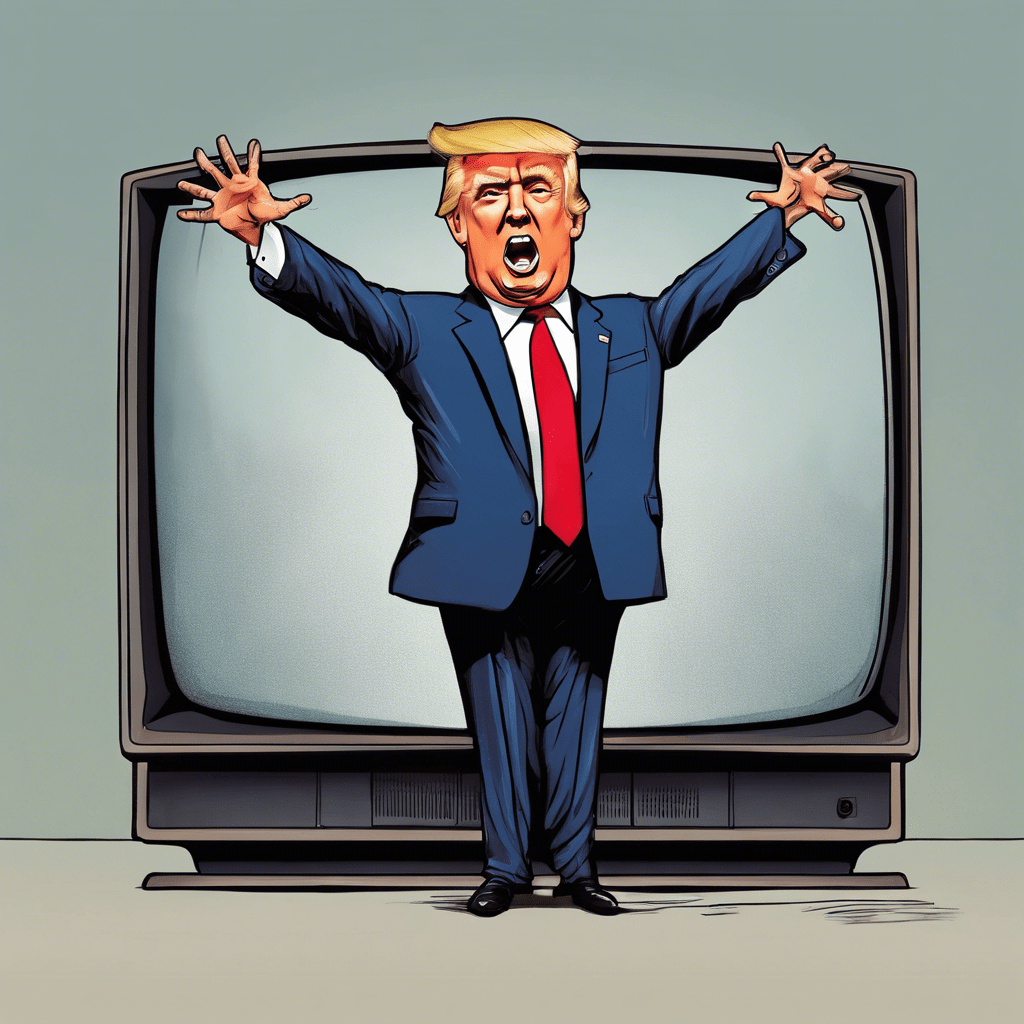
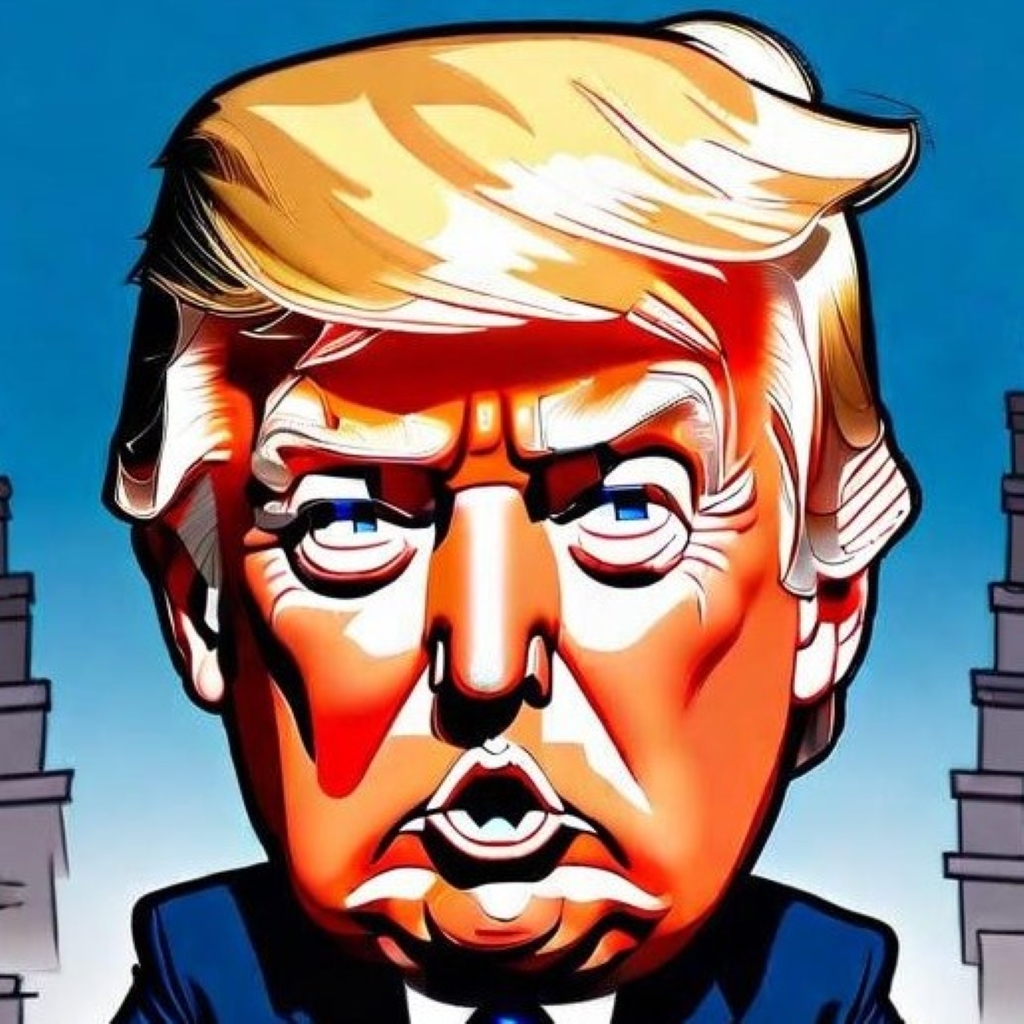
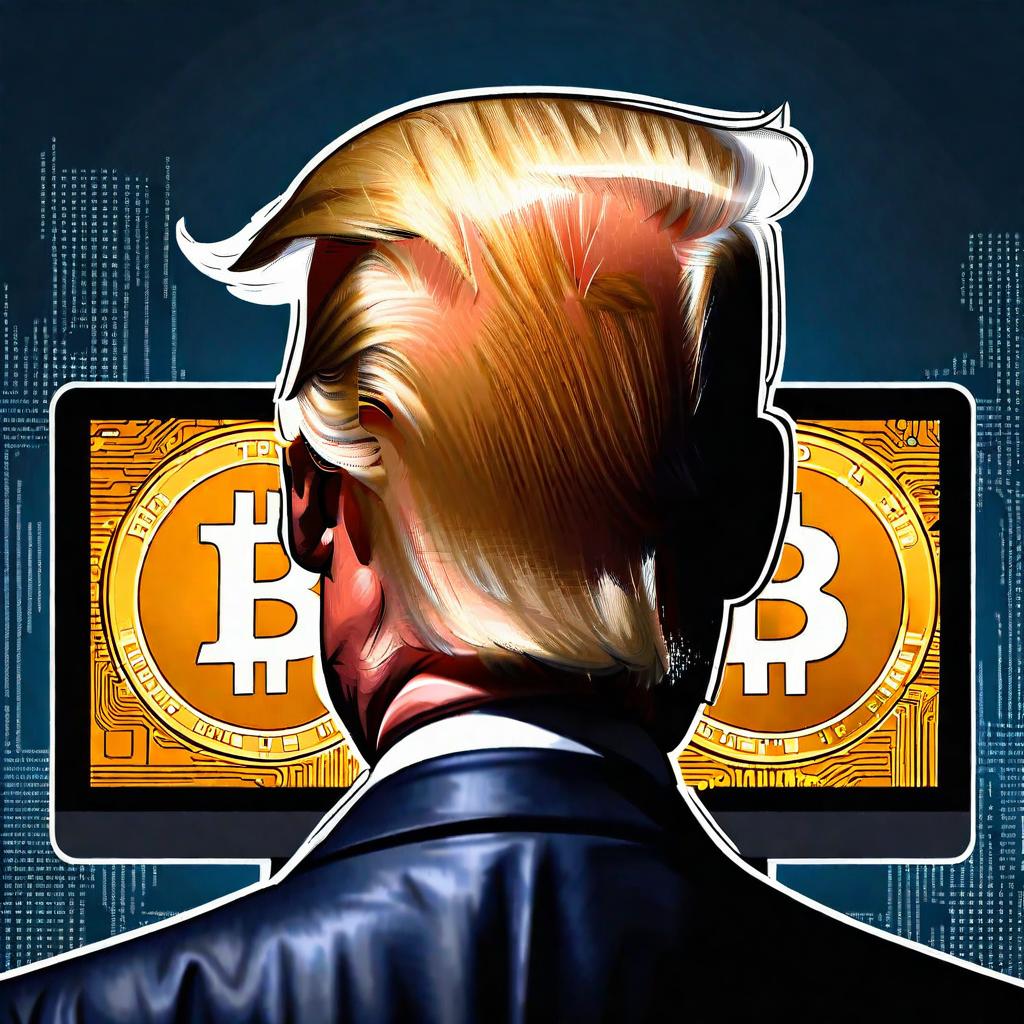
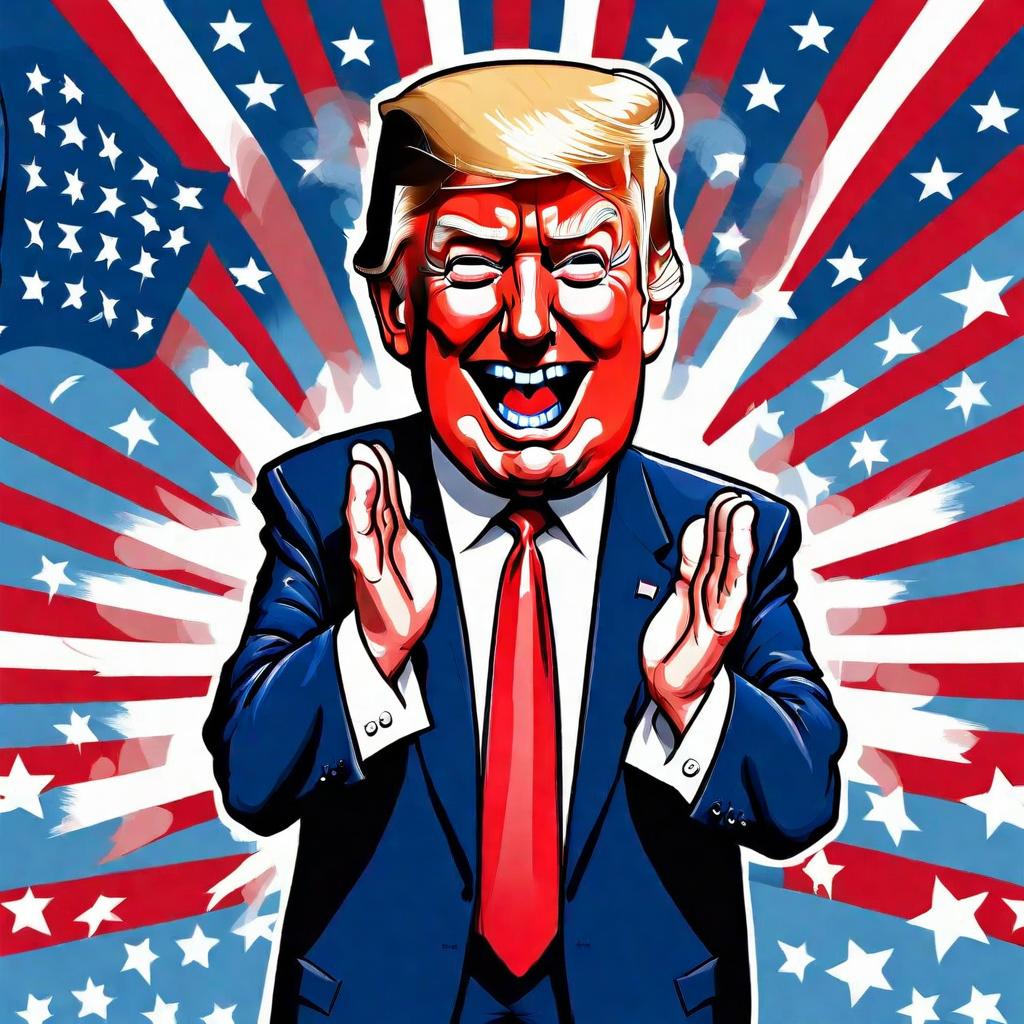

The convergence of technology and art has never been more profound than in the realm of artificial intelligence. In recent years, AI-generated art has shifted from novelty to legitimacy, reshaping creative industries and challenging our very definition of artistic expression. Leading this avant-garde movement is the generative art project known as the “Art of Donald” by the visionary AI artist, AI Disc Jockey. This collection is an audacious exploration of one of the most polarizing figures in modern American history—Donald J. Trump. By blending algorithmic creativity with human cultural commentary, AI Disc Jockey’s “Art of Donald” has become a poignant reflection on power, influence, and public perception.
At its core, “Art of Donald” is a generative portfolio of original caricatures of the 45th and 47th President of the United States. Unlike traditional caricature art, which relies on the artistic hand of a human illustrator, this project leverages machine learning models to produce a seemingly infinite array of images. Each caricature is a product of computational processes—trained on datasets of facial structures, emotions, and iconic imagery—yielding works that are at once familiar and entirely novel. The result is a provocative, often surreal, visual narrative that captures the multifaceted essence of a leader who continues to command headlines, inspire loyalty, and provoke division.
The uniqueness of the “Art of Donald” lies not only in its subject but also in its methodology. AI Disc Jockey—a pseudonymous artist-creator known for pushing the boundaries of AI-driven creativity—has crafted a system where algorithms act as co-creators. This hybridized approach to authorship raises essential questions about the nature of art itself. Is the artist the human coder, the AI system, or the final image? In the “Art of Donald,” these questions are left deliberately unresolved, forcing viewers to confront the blurred line between human agency and machine intelligence.
While Donald Trump’s visage has been endlessly reproduced across media—from news broadcasts to political cartoons—AI Disc Jockey’s approach is singular in its conceptual depth. Each piece in the “Art of Donald” portfolio emphasizes exaggeration, a hallmark of traditional caricature, but with an uncanny twist. Machine learning algorithms do not “understand” satire or irony in the way humans do, but their outputs achieve an eerie approximation. The AI’s rendition of Trump’s facial features—his prominent hair, intense gaze, and signature gestures—are processed through a prism of abstraction and distortion, producing images that oscillate between absurdity and profundity. Some works appear grotesque, others oddly regal, and many straddle a line that feels uncomfortably true. This range of perspectives reflects the deeply divided public opinion surrounding Trump, making the “Art of Donald” not just a visual experience but a cultural Rorschach test.
As with any art project centered on a political figure, “Art of Donald” is bound to elicit strong reactions. For his supporters, these images may be seen as tributes or regal portrayals that emphasize strength, defiance, and charisma. For his detractors, the distortions and surreal elements may serve as a visual critique, exposing what they see as flaws, hubris, or excess. What distinguishes AI Disc Jockey’s project from conventional political art is its neutrality—not in content, but in process. Unlike human caricature artists, who consciously infuse their personal beliefs into their work, AI systems have no inherent political bias. They generate output based on training data, guided by specific creative prompts but devoid of human-like intent. Thus, “Art of Donald” achieves a form of “algorithmic objectivity” that is difficult to find in human-generated media.
This objectivity—or at least the appearance of it—adds to the project’s philosophical weight. It raises fundamental questions about the role of artists as commentators on society. Traditionally, artists have wielded creative control to offer critique, celebrate, or satirize public figures. AI, however, does not hold opinions. It simply executes commands. When those commands result in biting social critique, who is the author of that critique—the AI, its creator, or the cultural moment that informs the prompts? AI Disc Jockey’s “Art of Donald” places this question front and center, compelling viewers to ponder the role of intent in artistic expression.
The generative process of “Art of Donald” relies on advanced neural networks trained on vast datasets of Trump’s media appearances, archival footage, and public imagery. These networks identify and exaggerate certain traits—expressions, colors, proportions—to highlight aspects of Trump’s persona. This technique mimics the traditional approach of human caricaturists, who emphasize certain features for comedic or symbolic effect. But where human artists might focus on one or two features (like a large nose or a dramatic expression), the AI system’s exaggerations are less predictable. It “chooses” features to emphasize based on patterns found in its data, often leading to unexpected results that feel fresh, shocking, or even unsettling.
One of the most compelling aspects of “Art of Donald” is its unpredictability. No two images are exactly alike, and the system’s generative logic ensures constant novelty. While many of the portraits may share similar motifs—the hair, the pursed lips, the infamous hand gestures—each iteration is uniquely distorted and reimagined. Some portraits push Trump’s image to the brink of abstraction, while others remain eerily lifelike. This dynamic tension between recognition and abstraction forces the viewer to grapple with deeper questions about identity and symbolism. When does a face stop being a face? At what point does Trump’s likeness cease to be Trump and instead become an icon, an idea, or an archetype? AI Disc Jockey’s generative process invites viewers to confront these questions.
Moreover, the “Art of Donald” is not merely a gallery of images; it is a commentary on the ways in which media representation shapes public perception. In an era of “fake news” and social media echo chambers, images have the power to distort reality. The AI-generated caricatures reflect this phenomenon by visually distorting Trump’s appearance in ways that mirror the media’s capacity to skew narratives. Just as media outlets frame stories to fit specific agendas, AI algorithms “frame” Trump’s likeness through exaggeration, distortion, and abstraction. The medium becomes the message, and the art becomes a lens for reflecting on the distortion of truth in the information age.
The “Art of Donald” project also taps into the broader cultural zeitgeist of meme culture and internet art. In an era where memes have become political currency, this portfolio’s endless remixing of Trump’s image aligns with a broader trend of deconstructing and recontextualizing cultural symbols. AI Disc Jockey’s work sits at the intersection of high art and internet humor—each portrait as likely to be shared on social media as displayed in a gallery. In this sense, the “Art of Donald” blurs the line between highbrow and lowbrow culture, blending traditional caricature art with the language of digital virality.
As AI-generated art continues to grow in cultural relevance, “Art of Donald” stands as a landmark project in the field. It challenges traditional notions of artistic authorship, political commentary, and cultural critique. By using the iconic and polarizing figure of Donald Trump as its subject, AI Disc Jockey has crafted a body of work that transcends caricature and becomes something more—a living archive of public perception, machine learning, and artistic evolution. Every portrait tells a story, but the story changes with the viewer’s gaze. Whether seen as satire, homage, or critique, “Art of Donald” is undeniably a reflection of our era, an era where AI is both a tool and a mirror, and where the lines between human intention and machine creation grow ever blurrier.
In the years to come, “Art of Donald” will likely be remembered as a seminal work in the history of AI-generated art. It stands as a testament to the power of generative technology, not only to create stunning visuals but also to provoke thought, challenge conventions, and confront us with our own biases. By making Trump’s face the canvas upon which these issues are explored, AI Disc Jockey’s project turns a polarizing political figure into an enduring artistic subject, one whose meaning is constantly shifting, just as public perception shifts in response to media, politics, and culture.

 ᴀɪ ᴅɪꜱᴄ ᴊᴏᴄᴋᴇʏ
Leave a comment