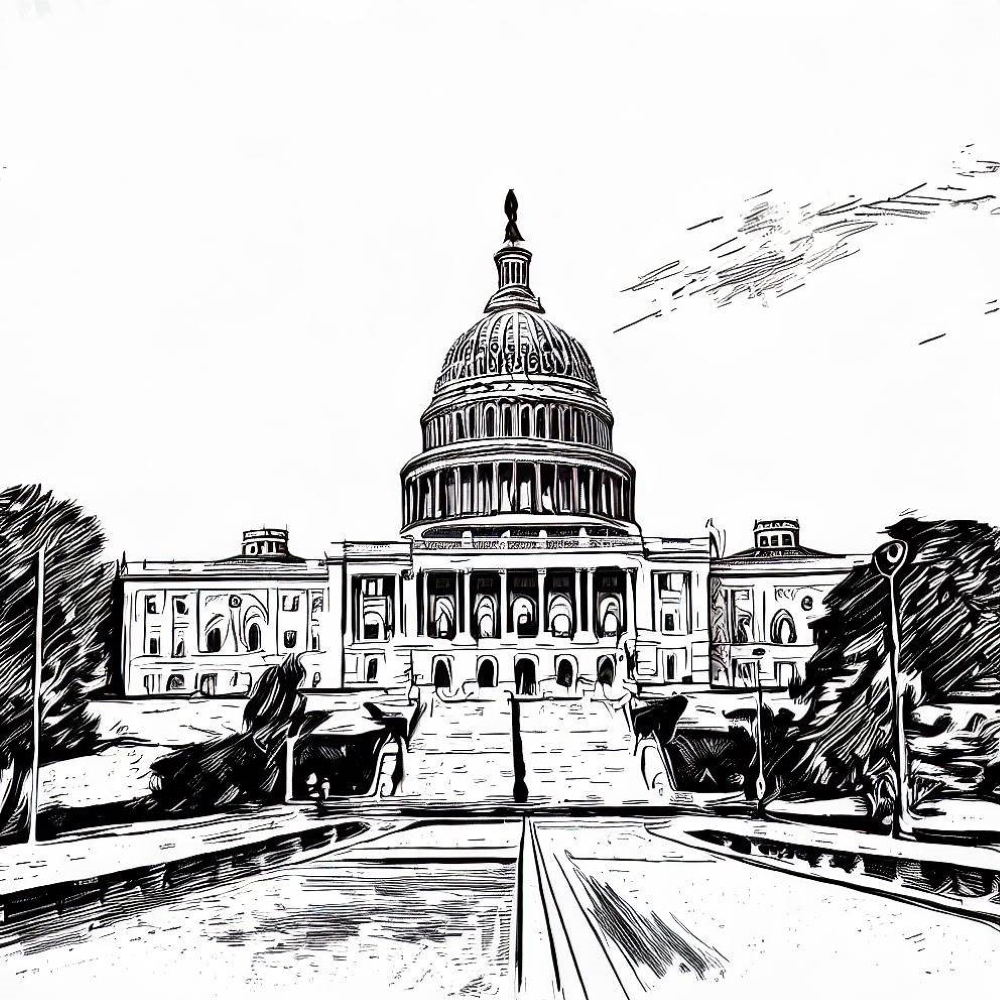
In a pivotal moment for technological governance, the much-anticipated congressional hearings on Artificial Intelligence (AI) commenced yesterday, on May 16, 2023. As lawmakers and industry experts gathered in the hallowed halls of Capitol Hill, the focus was clear: to deliberate on the potential risks and benefits associated with AI and chart a path towards responsible development and deployment.
The hearings began with a keynote address by Congressman John Davis, who emphasized the need for comprehensive legislation that balances innovation and protection. He stressed, “Artificial Intelligence holds immense potential to transform our lives, but we must proceed with caution to ensure it serves the greater good of humanity.”
One of the central themes that emerged during the day’s proceedings was the ethical considerations surrounding AI. Experts highlighted the importance of avoiding bias and discrimination in algorithmic decision-making. Professor Emily Collins, an AI ethicist from Stanford University, emphasized, “We must address the inherent biases present in AI systems, as they can perpetuate societal inequalities and marginalize certain groups.”
Several witnesses testified about the potential impact of AI on the job market. There were concerns raised about the displacement of human workers due to automation. Professor Mark Thompson, an economist from Harvard University, cautioned, “While AI can undoubtedly enhance productivity, we must not overlook the potential job losses that could arise, especially in sectors heavily reliant on routine tasks.”
The issue of privacy and data protection also featured prominently in the hearings. Experts highlighted the need for robust regulations to safeguard sensitive personal information from misuse or unauthorized access. Dr. Sarah Hernandez, a cybersecurity researcher, warned, “The proliferation of AI systems presents significant privacy risks. We must establish clear guidelines to ensure the responsible collection, use, and storage of personal data.”
Witnesses discussed the potential use of AI in law enforcement and national security. While acknowledging its potential benefits, concerns were raised about the potential for bias and infringement on civil liberties. Civil rights advocate, Lisa Rodriguez, argued, “We must establish clear guidelines and oversight mechanisms to ensure that AI is not used as a tool for surveillance, discrimination, or repression.”
During the hearings, lawmakers grappled with the challenge of striking the right balance between innovation and regulation. Many expressed their commitment to supporting AI research and development while ensuring accountability and transparency. Congressman Michael Johnson stated, “We need to foster an environment that encourages innovation while maintaining a vigilant watch on the potential risks. Striking this balance will be crucial in harnessing the power of AI responsibly.”
As the first day of the congressional hearings on AI concluded, it became evident that the path forward would be complex. Balancing the potential benefits of AI with concerns surrounding ethics, jobs, privacy, and security will require thoughtful and comprehensive legislation. The hearings are set to continue in the coming days, with lawmakers and experts delving deeper into the intricacies of AI governance.
In this pivotal moment for technological advancement, the congressional hearings on AI hold the potential to shape the future of AI development and deployment, ensuring that it serves as a force for good while minimizing the associated risks.

 ᴀɪ ᴅɪꜱᴄ ᴊᴏᴄᴋᴇʏ
Leave a comment